
Knowing how to host dinner is a forgotten art.
Or, in my case, knowing how to host family and friends over for a meal is not a forgotten art but an untaught art.
Over the last two years, I’ve learned a lot (both what to do and what not to do) and I can’t wait to share these tips with you.
For all the busy moms and homemakers out there, I’ve taken the liberty of organizing each step in chronological order.
Here’s where to start first.
Start with the day & time
The day, and the time of day, may help define what kind of food you want to prepare.
And the date of your dinner (whether it’s a last minute “day of” or planned a month in advance), will define the timeline you are working with and how elaborate you want to be with your hosting efforts.
This is why hosting Thanksgiving or Christmas dinner often means more elaborate food preparations. Obviously, it’s due to the celebratory nature of the holiday, but it’s also because you have so much time to think about and prepare your dishes in advance.
A month or more notice means you can really get creative with what you want to serve for dinner, appetizers, and the like.
Confirm your guest list & check for allergies
Knowing who you are having over for dinner helps define your menu, expectations, and ambience. This being said, an experienced homemaker knows to prepare for a few curveballs:
That means always making a bit more food than you think you’ll need and having backup options or alternatives if a side dish doesn’t pencil out to plan.
Choose the setting & ambience
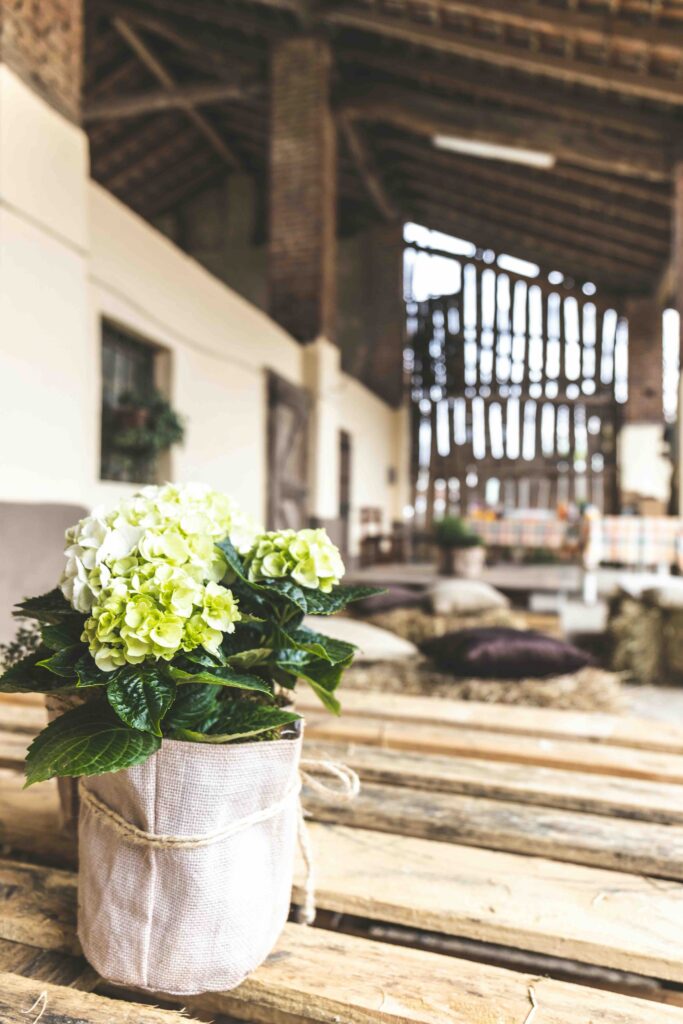
As you consider the setting you’d like to choose for where people will eat and how formal or informal you’d like your dinner to be, it can be helpful to keep the following in mind:
- What will the weather be like?
- Will your guests be bringing kids or little ones along?
- Do you want people to eat outside? In the kitchen? Or the dining room or deck (if you have one of these)?
- Will food be served family-style or as a buffet?
- Do you want to serve appetizers or dessert?
- Will you serve drinks or non-alcoholic beverages only?
- Do you want an informal or formal atmosphere?
- Do you want assigned seating or do you want to let guests choose?
The time of day, and your guests, will help set the tone for what kind of setting and ambience you would like to have–this is why it’s important to not skip the first two steps.
Decide your dinner menu days before
This is where things can start coming together or falling apart: if you choose an overly complicated menu, you may exceed your budget, skill level in the kitchen, or your patience.
If you choose a menu that is too simple (like grilled cheese sandwiches), both you and your guests might be underwhelmed.
And while you can wait until the day of to figure out what you will be making, it’s asking for trouble or last-minute trips to the grocery store.
As you’re deciding on your menu, search for a sweet spot that considers the following:
- Your budget
- Your guests (any food favorites you know about or food restrictions to avoid entirely)
- Complimentary flavors (using spices and side dishes that compliment the mean and each other)
- Your cooking & baking know-how (not overwhelming yourself)
- Your pantry (what bulk ingredients do you already have on hand that can be used?)
- What’s on sale or in season
- The weather (preparing a light and refreshing menu in the summer vs. heavier, warm winter foods in December)
- Avoid too many extremes (there’s a difference between well-seasoned and daringly spicy. And while I personally love things like ghost peppers, wasabi, pickled fish, and bitter flavors, I have to remember that I’m preparing food for our guests, rather than for myself.)
The farther along you are in your homemaker’s journey, the more likely you are to already have a few vetted recipes that you already know are crowd-pleasers. But if you’re still a beginner in the kitchen (like me!), you may be cooking or baking some of these items for the first time.
In this case, go for simpler recipes and give yourself extra time in the kitchen.
Make a shopping list
The devil is always in the details. And if you’re anything like me, you detest having to go to the grocery store multiple times.
If I’m hosting dinner, it’s an absolute must that I write down exactly what ingredients I need, double-check what we already have on hand, and then plan when and where I will be picking up anything we need.
This also includes considering what off-menu items you might need (see number 6).
Stock up on beverage items, ice, and napkins
A lot of our family and friends are fans of La Criox or Pellegrino. Maybe seltzer waters are a West Coast thing, but either way I always try to have a handful of these on hand because I know someone will probably ask.
Same thing for wine and beer (but as the hostess and host, it’s up to you whether you want to serve alcoholic beverages or not).
If you know kids or small children will be in tow, consider having some healthy juice or milk options that come in ready-to-serve individual containers (kids like these portable containers and then there’s no need to worry about a cup breaking).
Delegate
Being a great homemaker and hostess isn’t about doing absolutely everything on your own.
I’ve usually found there are two or three tasks that are better delegated to someone else, if I have the luxury.
For me, those tasks are any last minute errands, sweeping the front porch and entryway, letting the dog outside, and emptying the trash and recycling.
Those are all relative “quick” tasks but are tasks that may fall to the wayside nonetheless if I am pinched for time. Think about which tasks you usually forget about and try to delegate to someone else if you can! Another task I usually ask my husband for help with is finding a good playlist and getting the music set up (if I want to play music, that is).
Prep what you can the day before
Try to make side dishes the day before if you think it won’t impact the taste or freshness too much.
Things like mashed potatoes, custards, and casseroles can be made the day before and reheated without impacting the taste or appearance. And while you may not want to slice your cheese the day before, you can certainly chop vegetables in advance.
When it comes to meat mains and bread, I will prepare parts but not all. This means I will not cook meat or bake bread until the day of, but I may make a spice rub for the meat or prepare the dough the day before and put it in the fridge.
Prepping what you can the day before will make your efforts easier the next day, knowing that all the heavy lifting has already been done. You’ll also probably notice if you’re missing any ingredients, and it’s better to find this out the day before than the day of the dinner.
Have a back up plan
If having company over for dinner is a major source of stress for the season of life you’re in right now, it may give you peace of mind to have a backup contingency plan in place.
The back up plan could be a restaurant you can call for picking up takeout, or having a tried and true dish you can prepare at a moment’s notice if your preferred menu falls apart for some reason.
Another back up plan could be having a frozen casserole pre-thawed in the fridge and ready to pop in the oven should you need it.
The more complicated your menu is, or the busier your schedule is with other commitments and constraints, the more helpful it is to have a backup option in place.
Tidy the day before but clean the day of
Wait until the day of the dinner to clean bathrooms, otherwise you could be cleaning them twice.
Tidying the house is different. Tidying is more about making sure toys and shoes and other items have been put in their proper place–and this can easily be done the day before.
Sweeping, vacuuming, and bathroom deep cleans are best done the day of to ensure they are looking their best when your guests arrive. I also like to make sure my fridge, kitchen counters, and kitchen table have all been wiped down. And that the garbage has been emptied.
Any cleaning beyond this may not be worth the extra effort; you could meticulously organize your pantry, fold all your laundry, and wipe down all your windows but your guests probably won’t notice and you may not have the time.
However, your guests will notice dirty floors and bathrooms so make sure you don’t skip those!
Don’t wait to get dressed and ready
On more than one occasion, I’ve had my husband greet guests at the door while I sprint to the bedroom to change clothes and brush my hair, and it’s all just very unnecessary.
Don’t be like me! Get ready in the morning, so you don’t have to think twice about being caught in sweatpants when your guests arrive.
After all, this is why aprons were created–so you can be well-dressed but still protect your clothes from splashes and spills.
Set the table before guests arrive
I always forget this step. It’s just not ingrained or muscle-memory for me to set the dishes, silverware, and glasses in advance of guests arriving. It’s usually after everyone has had coffee, tea, and snacks that I realize I’ve forgotten to set the table.
Worse yet, I’ve had guests kindly ask me if they can help set the table. While it’s no big deal to quickly get a table ready, this is yet another task that can detract from conversation and my preference is for our guests to have no chores when they arrive.
Have your food fully prepared before the guests arrive
This seems like the most obvious step to not miss, but it’s the one we are most likely to get tripped up on.
As a hostess, it can be tempting to focus on having the most mouth-watering food possible, but the best food is the food that’s ready and on time.
Having dinner half-made when guests arrive will mean that you can’t mingle and tend to your company and the conversation with your full attention.
And while your guests are coming over for dinner, the dinner is really just an added bonus. In reality, they’re most likely coming over to spend time with you and your family.
Being present and available for your guests means having the food ready and warmed upon arrival. I also like to have hot coffee and hot water for tea ready as well.
Double-check your home decor
I think it’s unrealistic to buy, design, or dramatically change your home decor for a simple dinner gathering. But I do like to scan the eating and living areas for any extra clutter–like extra candles, ornaments, or blankets that could be stowed away.
I might also fluff the pillows on the couch, cut some fresh flowers, or straighten pictures and photographs.
If you have the desire to bring in more elements of home decor, the sky is certainly the limit.
From custom placemats for each season, homemade wreaths and table centerpieces, there are endless options (but I do like to remind myself that my guests are coming over for dinner, not our home decor).
Check the thermostat
If it’s particularly cold or hot weather, make sure you have your home set at a comfortable temperature for your guests to the best of your ability.
I also like to make sure I have good air ventilation and a window open the house got a little smoky while cooking (we don’t have a range vent).
Stop, drop, and do nothing in the final hour
I’ve made the mistake of trying to cram in a bunch of tasks before everyone arrives so many times. Even if I’m just having one, two, or three people over and it’s a small, intimate gathering, I strive to get everything done a full hour before people show up.
This gives time to rest, reflect on the evening ahead, and be refreshed prior to hosting family and friends. It means less stress and more fun for everyone.
This is my secret step that really helped me switch gears from being a spastic, stressed-out hostess to a smiling one.
Enjoying a quiet moment to yourself or having some relaxing storytime with your kids prior to switching gears to entertaining and hosting, can totally shift the whole vibe and energy in your home.
Greet your guests
Whether it’s new friends, or family that has been over a million times, greet your guests upon arrival and let them know what’s for dinner, when it will be served, and ask if they’d like coffee, tea, or something else.
It puts everyone at ease and is such a simple way to show consideration for your guests.
If you like a more informal vibe, then simply point out where the coffee, tea, or cold beverages are and tell them to help themselves.
Let your guests know whether it’s fine to leave their shoes on or off. Or, you can simply say nothing and leave it up to them.
Last but not least, sit back, relax, and enjoy all your hard work and preparation. You can now focus on having fun with your guests and great conversation.
Let the conversation flow
Following the flow of the conversation will keep the energy natural and effortless. Because despite our best efforts, fun cannot be forced.
Having everything ready prior to arrival is honestly the best thing you can do to ensure a fun and effortless evening for everyone. Your guests will be more relaxed when they sense you and your family are relaxed as well.
Enjoy your evening and all of your hard work.
Happy hosting!